
Yes, a diesel heater can often be connected directly to a battery, but it should not be done without proper protection and wiring.
Most diesel heaters require a stable 12V or 24V power supply. A direct connection can work well when the battery is suitable, and the installation includes the correct safety measures.
A proper setup usually includes:
Correct wire size for the distance and power requirements
An inline fuse close to the battery connection
Secure connections to prevent loose wiring
A battery that can handle the power demand
Proper grounding
Simply connecting wires directly without these precautions can create unnecessary risks.
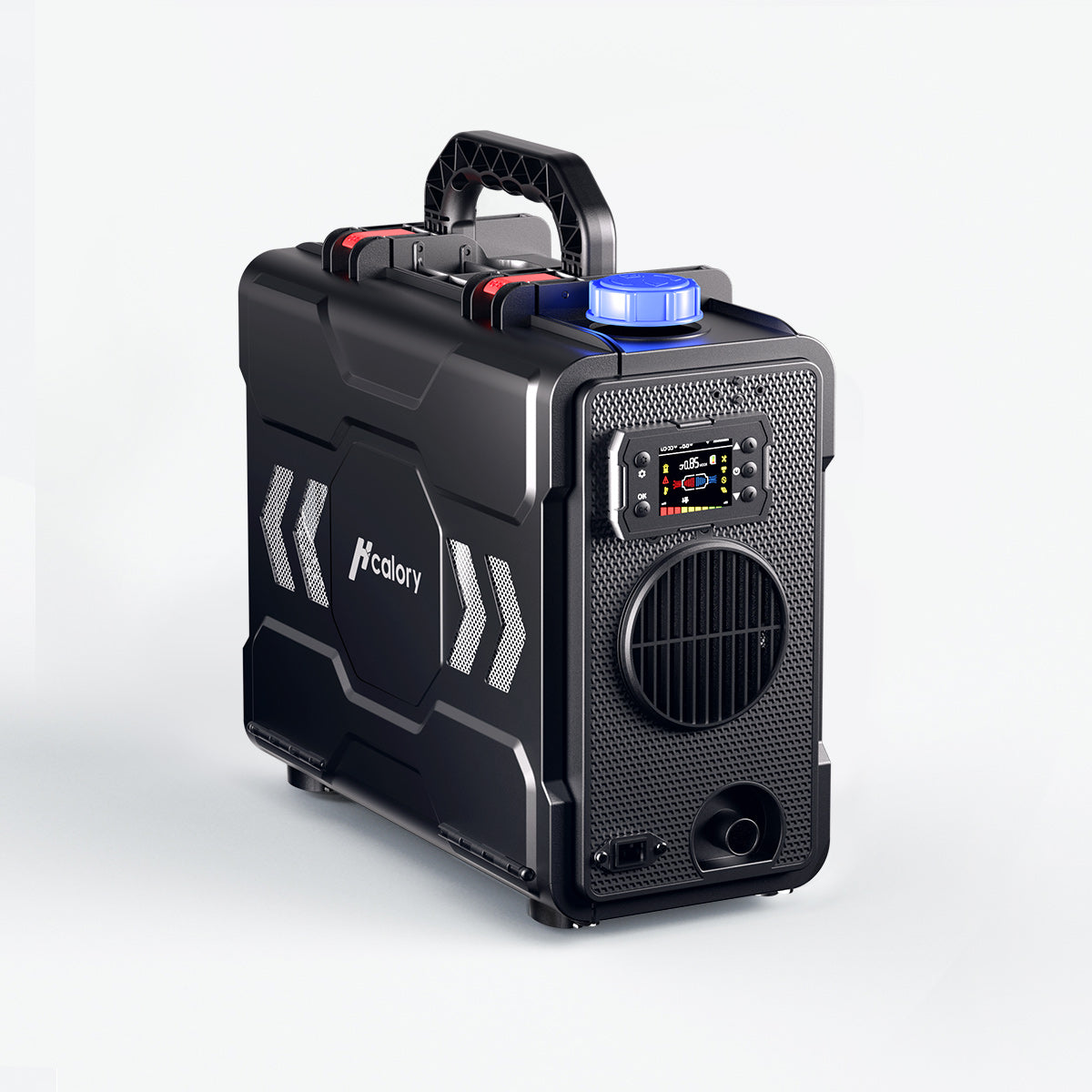
How Does a Diesel Heater Draw Power?
Many people assume that because the heater uses diesel fuel, it does not use much electricity. While fuel provides the heat, the electrical system powers important parts of the unit.
Electricity is needed for:
Starting the heater
Running the fuel pump
Operating the fan
Controlling the thermostat and electronics
Completing the shutdown cooling cycle
The startup stage usually requires more power than normal operation because the heater needs to ignite and reach the correct temperature.
If your battery is weak or incorrectly connected, the heater may fail to start or shut down unexpectedly.
Important Things to Check Before Connecting Your Heater
1. Check Your Battery Condition
Before installation, make sure your battery is healthy.
A battery that is old, damaged, or frequently discharged may not provide enough voltage. This can lead to:
Failed ignition
Error messages
Unexpected shutdowns
Reduced heater performance
If you are using the heater overnight, your battery capacity is especially important.
2. Use the Correct Fuse Protection
A fuse is one of the most important safety features in any electrical installation.
The fuse helps protect your wiring and equipment if there is:
A short circuit
Excess current flow
A wiring fault
The fuse should normally be installed close to the battery connection so the cable is protected from the beginning of the circuit.
3. Choose the Right Cable Size
Using cables that are too small can create voltage drops.
Signs of poor wiring include:
Heater failing during startup
Flickering control panels
Burning smells
Warm or hot cables
The correct cable size depends on:
Heater power requirements
Battery voltage
Cable length
Installation location
For longer cable runs, thicker wiring is usually required.
Common Mistakes People Make During Installation
Connecting Without a Fuse
Some people connect their heater directly to the battery without any protection. This may seem simple, but it increases the risk of electrical problems.
A small additional step during installation can prevent major repairs later.
Using Old or Poor-Quality Wiring
Damaged cables or weak connections can cause unreliable operation.
Always check for:
Cracked insulation
Loose terminals
Corrosion
Incorrect connectors
Quality wiring helps your heating system work more efficiently.
Ignoring Voltage Drop
Voltage drop happens when electricity loses strength while travelling through cables.
This is more common when:
The cable is too thin
The cable run is too long
Connections are poor
A heater may appear to have power but still fail because it cannot receive enough voltage during startup.
Professional Installation and Maintenance Support
While many people install diesel heaters themselves, electrical systems require careful attention. If you are unsure about wiring, battery capacity, or troubleshooting, professional assistance can save time and prevent costly mistakes.
Services such as Donco Services Ltd can help with equipment maintenance, troubleshooting, and technical solutions for systems that require reliable performance.
Proper maintenance also helps extend the life of heating and power equipment.
Other Equipment That Needs Reliable Power and Maintenance
A well-maintained electrical system is important not only for heating solutions but also for other equipment used in vehicles, workshops, and outdoor environments.
Diesel Heater Repairs
Regular checks can help identify problems early, such as:
Starting issues
Fuel supply problems
Electrical faults
Blocked components
Timely maintenance can prevent small issues from becoming expensive repairs.
Generator Repairs
Generators also depend on reliable electrical connections and regular servicing.
Common problems include:
Starting failures
Battery issues
Fuel system problems
Poor output performance
Regular inspections help keep generators ready when they are needed.
Water Blaster Maintenance
Water blasters often work in demanding conditions and require proper care.
Maintenance can improve:
Pump performance
Motor reliability
Cleaning pressure
Equipment lifespan
Keeping all equipment maintained reduces downtime and improves safety.
Tips for a Safe Diesel Heater Installation
Follow these simple tips:
Read the manufacturer’s installation instructions carefully.
Use suitable wiring for your system.
Install the correct fuse protection.
Keep battery connections clean and secure.
Avoid placing cables near heat sources or moving parts.
Check voltage before troubleshooting the heater.
Get professional advice if you are unsure.
A careful installation will give you better performance and fewer problems over time.
Frequently Asked Questions
1. Can I run a diesel heater directly from my vehicle battery?
Yes, many diesel heaters can run from a vehicle battery if the battery, wiring, and protection components are suitable. The installation must be done correctly to avoid voltage problems.
2. Do diesel heaters drain batteries quickly?
It depends on the heater size, usage time, battery capacity, and battery condition. A small heater may run for many hours, while a weak battery may discharge much faster.
3. Do I need a fuse when connecting a heater to a battery?
Yes. A correctly installed fuse helps protect the wiring and reduces the risk of electrical damage.
4. Why does my heater shut down after starting?
Common causes include low voltage, poor wiring, blocked fuel supply, or a faulty component.
5. What size battery is needed for a diesel heater?
The required battery size depends on the heater model, operating time, and other equipment connected to the same battery system.
6. Can incorrect wiring damage a diesel heater?
Yes. Incorrect wiring can cause voltage issues that may damage electronic components or prevent the heater from operating correctly.
7. Should I install a diesel heater myself?
If you have experience with electrical systems, you may be able to complete the installation. Otherwise, professional installation is recommended for safety and reliability.
Conclusion: Install Your Diesel Heater the Right Way
Connecting a diesel heater directly to a battery can be a practical solution when it is installed correctly. The key factors are proper wiring, fuse protection, a suitable battery, and regular maintenance.
Avoid shortcuts during installation because small mistakes can lead to poor performance or expensive repairs. A reliable setup will help your heating system operate safely and efficiently whenever you need it.
If you are unsure about your installation or equipment condition, getting expert advice is a smart way to protect your investment and ensure long-term reliability.